
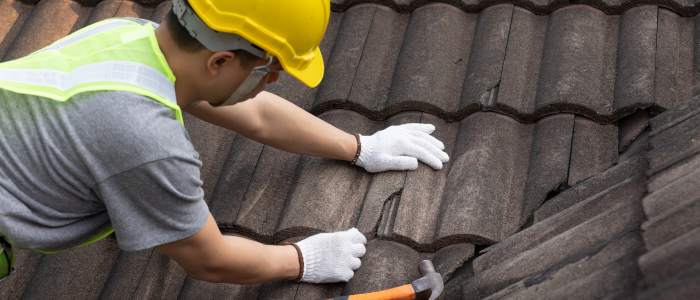
A roof leak can start small, but if left unchecked, it can lead to serious damage, expensive repairs, and even mold problems. Knowing how to find a roof leak before it causes damage is crucial for every homeowner.
Early detection not only protects your home’s structure but also saves you money and stress in the long run. Many leaks are hidden, appearing only after heavy rain or in hard-to-see spots, which makes regular inspection essential.
In this guide, we’ll walk you through practical, easy-to-follow steps to identify leaks early, from checking your attic and roof surface to spotting signs inside your home. With the right approach, you can catch problems before they escalate, keeping your roof and your home safe.
How Climate Change Impacts Demand Immediate Action
The weather is a perfect storm for roofing issues. Summers bring intense UV radiation that bakes shingles, making them brittle and prone to cracking. Winter temperature swings cause materials to expand and contract, leading to gaps and separations.
Add in heavy rains, hail from thunderstorms, and high winds sometimes gusting over 50 mph and your roof faces constant assault. Hurricanes and tropical storms from the Gulf can rip off shingles or dent flashing in hours. In this environment, ignoring a leak isn’t an option; water intrusion can compromise insulation, promote rot in wooden structures, and even affect electrical systems.
By learning how to find leaks promptly, you can mitigate these risks and extend your roof’s lifespan, which averages 15 years here due to the harsh conditions.
Common Signs of a Roof Leak You Shouldn’t Ignore
Before diving into detection, familiarize yourself with the telltale indicators. Humidity amplifies moisture problems; these signs often appear faster than in drier areas. Keep an eye out for:
- Water stains on ceilings or walls: These brownish or yellowish discolorations, sometimes with bubbling or peeling paint, signal ongoing seepage, especially after rain.
- Dripping sounds or visible water: During storms, you might hear drips in the attic or see puddles on upper floors.
- Musty odors or mold growth: High humidity fosters mold quickly looking for black spots or a damp smell in attics, closets, or near exterior walls.
- Warped or bulging drywall: Moisture buildup causes materials to swell, indicating hidden leaks.
- Missing, curled, or cracked shingles: Visible from the ground, these are common after wind events.
- Granules in gutters: Resembling black sand, this shows shingle deterioration from UV exposure.
- Rust or damage on metal components: For homes with metal flashing or vents, corrosion is a red flag in humid conditions.
- Damp insulation or wood: In attics, soggy materials point to chronic issues.
Step-by-Step Guide to Finding a Roof Leak
Locating a leak can feel daunting, but a systematic approach makes it manageable. Always prioritize safety, use sturdy ladders, avoid slippery conditions, and never inspect during storms. If your roof is steep or multi-story, consider professional help from the start.
Step 1: Inspect the Interior and Rule Out Non-Roof Sources
Start inside your home to avoid unnecessary roof climbing. Examine ceilings, walls, and upper floors for stains or dampness. Trace any water marks upward, as leaks often travel along beams before appearing.
Check areas near bathrooms, kitchens, or HVAC units, as these could indicate plumbing or condensation issues rather than roof problems.
Air conditioning runs year-round; HVAC leaks are common mimics of roof issues. Use a moisture meter if available to confirm wetness. If no interior sources are found, proceed to the attic.
Step 2: Examine the Attic Thoroughly
The attic is your best vantage point for spotting leaks from below. Do this during daylight for natural light, supplemented by a flashlight or headlamp.
Step only on secure beams to avoid falling through ceilings. Look for dark stains, mold, or moisture trails on rafters and sheathing follow them uphill, as water flows downward.
Humid climate, condensation can confuse matters, so distinguish it by noting if issues worsen after rain. Pay special attention to areas around vents, chimneys, and pipe penetrations, which are weak spots in local homes. If you see sunlight piercing through, that’s a clear hole needing immediate attention.
Step 3: Conduct an Exterior Roof Inspection
Move outside for a visual check. Begin from the ground with binoculars to scan for obvious damage flat or low-pitch roofs, common in ranch-style homes, which makes this easier.
Look for missing or damaged shingles, especially on south- and west-facing sides exposed to prevailing winds and sun.
Check flashing around chimneys, vents, and valleys where roof planes meet; these often fail due to temperature fluctuations. Note any moss or algae, which thrive in shaded, humid spots and indicate moisture buildup.
If safe, climb a ladder extended at least three feet above the roofline, maintaining three points of contact. Clear debris like leaves or pollen, which clog valleys after local seasons.
Step 4: Perform a Water Test for Hidden Leaks
If the source remains elusive, enlist a helper for a controlled water simulation. One person stays inside near suspected areas, listening for drips or watching for wet spots.
From outside, use a garden hose on low pressure to soak sections of the roof methodically start low and work upward, spending 5-10 minutes per area.
Perform this on cooler mornings to avoid heat exhaustion. This test mimics heavy rains and often reveals leaks the naked eye misses, such as subtle cracks in seals.
Step 5: Inspect Gutters, Downspouts, and Seals
Clogged gutters are a common culprit, where pollen and debris can accumulate quickly. Water may back up under shingles, seeping into the home. Clear blockages and ensure downspouts direct water away from foundations.
Check seals around skylights, vents, and roof-mounted equipment, which can perform well in dry conditions but may crack from prolonged sun exposure. Inspect roof joints for gaps, deterioration, or loose materials.
Step 6: Pinpoint and Document the Issue
Once located, compare interior damage to exterior reference points like chimneys or walls. Take photos for records, especially useful for insurance claims after storms. Document everything pre-repair, as wind or hail damage may qualify for coverage.
Common Causes of Roof Leaks and How to Address Them
Understanding why leaks occur helps with prevention. Extreme weather exacerbates these issues:
- Aging Materials: Roofs here last 10-15 years due to relentless sun and heat. Shingles crack, lose granules, and become brittle. Prevention: Schedule annual inspections to catch wear early.
- Storm Damage: High winds tear shingles, hail dents surfaces, and heavy rains exploit weaknesses. After events, check for punctures or uplifted edges. Fix: Replace damaged sections promptly to prevent escalation.
- Clogged Gutters: Debris causes overflow, leading to under-shingle seepage. In humid conditions, this promotes rot. Prevention: Clean gutters twice yearly, more after pollen season.
- Flashing Failures: Around chimneys, vents, or evaporative coolers, flashing corrodes or loosens from temperature swings. This is prevalent in stucco homes. Fix: Reseal or replace with durable materials.
- Improper Installation: Poor workmanship leads to uneven alignment and premature leaks. Prevention: Ensure qualified installers for new roofs.
- Pipe Boots and Vent Issues: Rubber boots crack in heat, allowing entry. Common in local setups. Fix: Replace with UV-resistant versions.
Addressing these involves minor DIY for simple cases like sealing small gaps with roofing cement but complex problems require pros to avoid voiding warranties.
The Most Common Causes of Roof Leaks
| Location | Why It’s Common | Signs to Watch For | Typical Fix Approach |
| Chimney flashing | Rust, expansion/contraction from heat swings | Rust stains, water near fireplace | Reseal or replace flashing |
| Plumbing vent boots | Rubber cracks from intense UV and heat | Wet spots around bathroom/kitchen ceilings | Replace boot with UV-resistant material |
| Roof valleys | Debris buildup, improper sealing, foot traffic damage | Stains along interior corners | Clean, reseal, or add better flashing |
| Vents and pipe penetrations | Seals fail quickly in humidity and sun | Dampness near interior fixtures | Inspect/replace seals or boots |
| Roof edges and eaves | Wind uplift lifts shingles | Missing/curling shingles on perimeter | Replace damaged shingles, secure edges |
| Skylights (if present) | Cracked seals from temperature changes | Ceiling stains below unit | Reseal or professional resealing |
Specific Considerations
Hurricane Season Protocol (June-November): With Gulf threats, prepare by clearing gutters pre-storm. If a leak appears during warnings, tarp securely from the peak down. Stock supplies like roofing felt and nails. Post-storm, inspect immediately winds over 50 mph often damage edges and valleys.
Most Common Leak Locations: Based on local patterns, focus on flashing around evaporative coolers, chimney junctions, plumbing vents (rubber fails in 5-7 years), roof-to-wall connections in stucco builds, and dented valleys from foot traffic.
When to Call a Professional: If your roof is older than 15 years, shows extensive damage, or involves tile (common here), skip DIY. Pros handle heights safely and diagnose hidden issues. Average leak repair costs $850-$2,300; full replacement for a typical home runs $8,900-$14,000 for asphalt shingles.
Temporary Fixes and Long-Term Prevention
For emergencies, slide a tarp or plastic diverter under affected shingles. Avoid walking on wet roofs. Long-term, maintain by cleaning gutters, trimming overhanging branches, and insulating attics to reduce condensation. Invest in impact-resistant shingles for hail-prone areas.
FAQs
How do I find a leak without an attic?
Without an attic, start by closely examining top-floor ceilings and walls for water stains, bubbling paint, or damp spots. Then inspect the roof exterior from the ground or ladder, focusing on flashing, vents, pipe penetrations, and shingles. Perform a water test if the source remains unclear.
What’s the most common leak spot?
The most common leak spots are flashing around chimneys, plumbing vents, and any evaporative cooler penetrations. Intense heat and high humidity cause seals and flashing to degrade, crack, or corrode quickly, allowing water to enter easily.
How long can I ignore a leak?
Do not ignore a roof leak for more than a week. High humidity promotes rapid mold growth within 7–14 days, while trapped heat and moisture can warp decking and framing permanently, turning a minor issue into expensive structural damage.
Does insurance cover leaks?
Homeowners insurance typically covers roof leaks from sudden, covered perils like hail, wind, or named storm damage not from gradual wear, poor maintenance, or aging. Document damage with photos and file claims within one year of the event. Check your policy for details.
How much does repair cost?
Minor roof leak repairs usually range from $300 to $1,500, averaging around $1,100 depending on the cause and extent. Full roof replacements cost $6,000 to $15,000 or more, varying by home size, materials, and labor rates. Get multiple quotes.
Final Thoughts
In a harsh climate, catching a roof leak early is critical to protecting your home. Extreme heat, high humidity, and frequent storms can turn minor leaks into mold, structural damage, and costly repairs. Once you identify the source using a systematic approach, act quickly to prevent further damage.
Temporary solutions such as placing a tarp from the roof peak downward or using a shingle diverter can redirect water until permanent repairs are made. Always avoid walking on wet roofing for safety.
For long-term protection, prioritize regular maintenance: clear gutters, trim overhanging branches, improve attic ventilation, and schedule yearly inspections. Small issues may be DIY-friendly, but older roofs, steep slopes, or widespread damage should be handled by professionals to ensure lasting durability.