
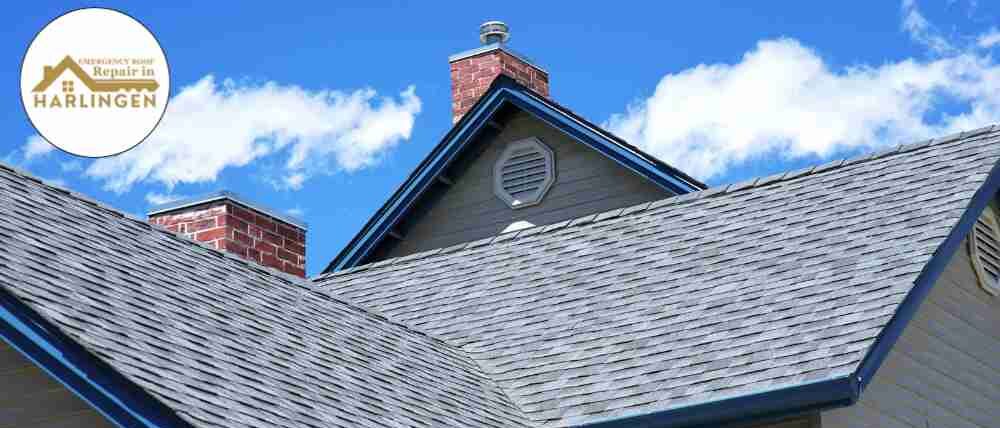
Your roof is more than just the top of your house it’s your first line of defense against the weather. But how long does a roof actually last? The answer isn’t the same for every home.
A lot depends on the type of material, how well it was installed, the local climate, and how often it’s maintained. For example, asphalt shingles usually last 15 to 30 years, while metal or clay roofs can go much longer with proper care.
We’ll break down the main factors that affect a roof’s lifespan and give you practical tips to help your roof stay strong for as long as possible. Understanding these details can save you money, stress, and surprises down the road.
Factors That Affect Roof Longevity
The lifespan of a roof isn’t a fixed number; it varies based on several key factors. Understanding these factors can help you make informed decisions about roofing materials, maintenance, and replacements.
Roofing Material
The type of material used for your roof plays the largest role in determining how long it will last. Different materials have unique characteristics in terms of durability, weather resistance, and maintenance requirements. Here’s an overview of the most common residential roofing materials and their expected lifespans:
- Asphalt Shingles: Asphalt shingles are one of the most widely used roofing materials due to their affordability and versatility. Standard asphalt shingles generally last between 15 and 25 years with proper maintenance.
Upgraded or architectural shingles can last 30 to 40 years, offering enhanced durability and aesthetic appeal. However, asphalt shingles are more vulnerable to extreme weather, including hail and prolonged sun exposure. - Architectural Shingles: A premium variation of asphalt shingles, architectural shingles are thicker and often mimic the look of wood, slate, or tile.
They offer improved resistance to weather damage and can last 30 to 40 years depending on maintenance and weather conditions. Their enhanced thickness also helps reduce curling, cracking, and other forms of wear. - Metal Roofing: Metal roofs are growing in popularity due to their long lifespan and resilience. Aluminum or steel roofs typically last 20 to 25 years, while high-quality standing seam metal roofs can last 50 years or more. Metal roofs excel in resisting wind, hail, and UV damage, making them well-suited to the climate.
- Clay or Concrete Tiles: Tile roofs are incredibly durable and can last 50 years or more if properly installed and maintained. They are resistant to fire, rot, and insect damage. Clay tiles, however, are heavy, so it’s essential to ensure your roof structure can support the additional weight.
- Wood Shingles or Shakes: Wood shingles offer natural beauty but require consistent maintenance. Wood roofs generally last 20 to 30 years, depending on the quality of the wood and how well they are cared for. Regular inspections are necessary to prevent water damage, warping, and splitting, especially in areas prone to high humidity or rainfall.
- Slate Tiles: Slate roofs are known for their longevity, often lasting 75 years or more. They are extremely durable and resistant to fire, water, and insect damage. However, slate is heavy and costly, and professional installation is critical to prevent structural issues.
Understanding the Local Climate
Areas with a subtropical climate experience high temperatures, strong sun exposure, heavy rainfall, and occasional tropical storms. These conditions directly affect how quickly roofing materials wear down
- Heat and UV Rays: Prolonged exposure to the sun can cause shingles and other roofing materials to fade, crack, or become brittle. Asphalt shingles, in particular, are susceptible to UV damage, which may lead to balding areas or curling edges. Metal and tile roofs are generally more resistant to UV damage.
- Storms and Hail: Regions prone to severe thunderstorms may also see occasional hail. Hail can dent metal roofs, crack tiles, or damage shingles, speeding up wear and shortening a roof’s lifespan. Regular inspections after storms help catch and repair damage early.
- Humidity and Rainfall: High humidity and heavy rainfall can promote mold, mildew, and rot, especially on wooden roofs. Proper ventilation and maintenance are necessary to prevent moisture buildup and prolong roof life.
- Wind Damage: Strong winds, especially during storm season, can lift shingles, loosen tiles, or damage underlayment. Wind-resistant roofing materials and professional installation can help mitigate this risk.
Quality of Installation
Even the best roofing materials can fail prematurely if the installation is substandard. Professional installation is critical for ensuring that your roof performs as intended and reaches its maximum lifespan. Key factors include:
- Proper Underlayment: A high-quality underlayment protects the roof structure from water penetration and helps extend the roof’s life.
- Correct Fastening and Sealing: Shingles, tiles, or metal panels must be installed with the correct techniques and fasteners to withstand wind and storm damage.
- Ventilation and Insulation: Proper ventilation prevents moisture buildup and reduces heat stress on the roof, while insulation improves energy efficiency and protects roofing materials from rapid temperature changes.
Regular Maintenance
Maintenance is crucial for prolonging the life of any roof. Neglecting small issues can lead to costly repairs or premature replacement. Some essential maintenance tasks include:
- Gutter and Downspout Cleaning: Clogged gutters can trap water on the roof, leading to leaks and rot.
- Tree Trimming: Overhanging branches can scratch roofing materials, drop debris, and even cause structural damage during storms.
- Prompt Repairs: Address minor leaks, cracked shingles, or loose tiles immediately to prevent further damage.
- Periodic Inspections: Professional inspections at least once a year, and after major weather events, help detect and resolve issues before they escalate.
Signs Your Roof May Need Replacement
Even with proper care, all roofs eventually reach the end of their lifespan. Homeowners should watch for these signs:
Visible Damage: Cracked, curled, missing, or balding shingles indicate that your roof is deteriorating.
Leaks or Water Stains: Water spots on ceilings or walls suggest roof leaks that may require immediate attention.
Frequent Repairs: If you are continually repairing small issues, it may be more cost-effective to replace the roof entirely.
Age of Roof: Consider the type of roofing material and its typical lifespan. For example, asphalt shingles over 20 years old or metal roofs over 50 years old may be nearing the end of their functional life.
Sagging or Structural Issues: Uneven areas or sagging portions of the roof indicate serious structural problems that necessitate professional evaluation.
Maximizing Roof Lifespan
While some factors like storms and heat are unavoidable, homeowners can take proactive steps to extend their roof’s life:
- Invest in Quality Materials: Choosing high-grade materials suited to climate can prevent early deterioration.
- Hire Skilled Professionals: Ensure your roof is installed by experienced contractors who follow best practices.
- Schedule Regular Maintenance: Routine inspections, cleaning, and minor repairs keep your roof in peak condition.
- Address Problems Quickly: Don’t ignore leaks, damaged shingles, or missing tiles they worsen over time.
- Consider Protective Coatings: For asphalt or metal roofs, reflective coatings or sealants can help reduce UV damage and heat absorption.
Understanding Insurance Coverage
Roof maintenance and replacement often involve dealing with insurance policies. Understanding what your policy covers is crucial:
- Actual Cash Value (ACV): This policy pays the current value of the roof minus depreciation. Older roofs may receive significantly less than the cost of replacement.
- Replacement Cost Value (RCV): This policy covers the full cost of replacing the roof if a claim is approved, using current prices adjusted for inflation. This option is generally more beneficial for homeowners with aging roofs.
Regular inspections and documentation of your roof’s condition can help ensure you receive the maximum benefits from your insurance coverage in case of storm damage.
Estimated Lifespans of Common Roof Types
| Roofing Material | Average Lifespan | Notes |
| Asphalt Shingles | 15–25 years | Affordable; susceptible to hail and UV damage. |
| Architectural Shingles | 30–40 years | Thicker and more durable; aesthetically versatile. |
| Metal Roofs | 20–50+ years | Excellent for wind and hail; longer lifespan with standing seam. |
| Clay/Concrete Tiles | 50+ years | Fire-resistant and durable; heavier than other options. |
| Wood Shingles/Shakes | 20–30 years | Requires regular maintenance; vulnerable to moisture and heat. |
| Slate Tiles | 75+ years | Extremely durable; requires strong roof structure. |
FAQs
How long does an asphalt shingle roof last?
Asphalt shingle roofs typically last 15–25 years. With upgraded architectural shingles and proper maintenance, they can last 30–40 years, depending on storms, heat, and regular inspections.
Do metal roofs withstand storms?
Yes, metal roofs resist wind, hail, and UV damage. Standard metal roofs last 20–25 years, while high-quality standing seam roofs can exceed 50 years with proper care and maintenance.
How often should I inspect my roof?
Professional inspections should be done at least once a year and after major storms. Regular inspections help detect minor issues early, preventing leaks and prolonging the roof’s lifespan.
Can maintenance extend my roof’s lifespan?
Absolutely. Cleaning gutters, trimming overhanging branches, repairing leaks promptly, and routine professional inspections can significantly extend the life of your roof, regardless of material type or age.
Final Thoughts
A roof’s lifespan is influenced by a combination of material choice, climate, installation quality, and ongoing maintenance. While asphalt shingles may last 15–25 years, metal and tile roofs can provide decades of protection when properly cared for. Slate roofs, with their superior durability, can even last over 75 years.
Proactive maintenance, timely inspections, and addressing minor issues early can significantly extend your roof’s life, protecting your home and investment. Choosing the right materials for unique climate, coupled with professional installation and regular upkeep, ensures that your roof will provide reliable protection for years to come.
Ultimately, understanding the expected lifespan of your roof allows you to plan for repairs or replacement, avoid unexpected costs, and maintain the safety and value of your home. Whether your roof is nearing the end of its life or you’re installing a new one, knowledge, preparation, and professional guidance are key to maximizing your roof’s longevity.